“Education is not the learning of facts, but the training of the mind to think.” – Albert Einstein, mathematician and theoretical physicist
We intend for learners to love Maths and become confident and flourishing mathematicians.
Not only is numeracy a key building block for progressing onto further education and employment but it’s also a key life skill.
Whether you’re paying a bill, measuring out ingredients for baking a cake, or doing your shopping, being good with numbers is essential.
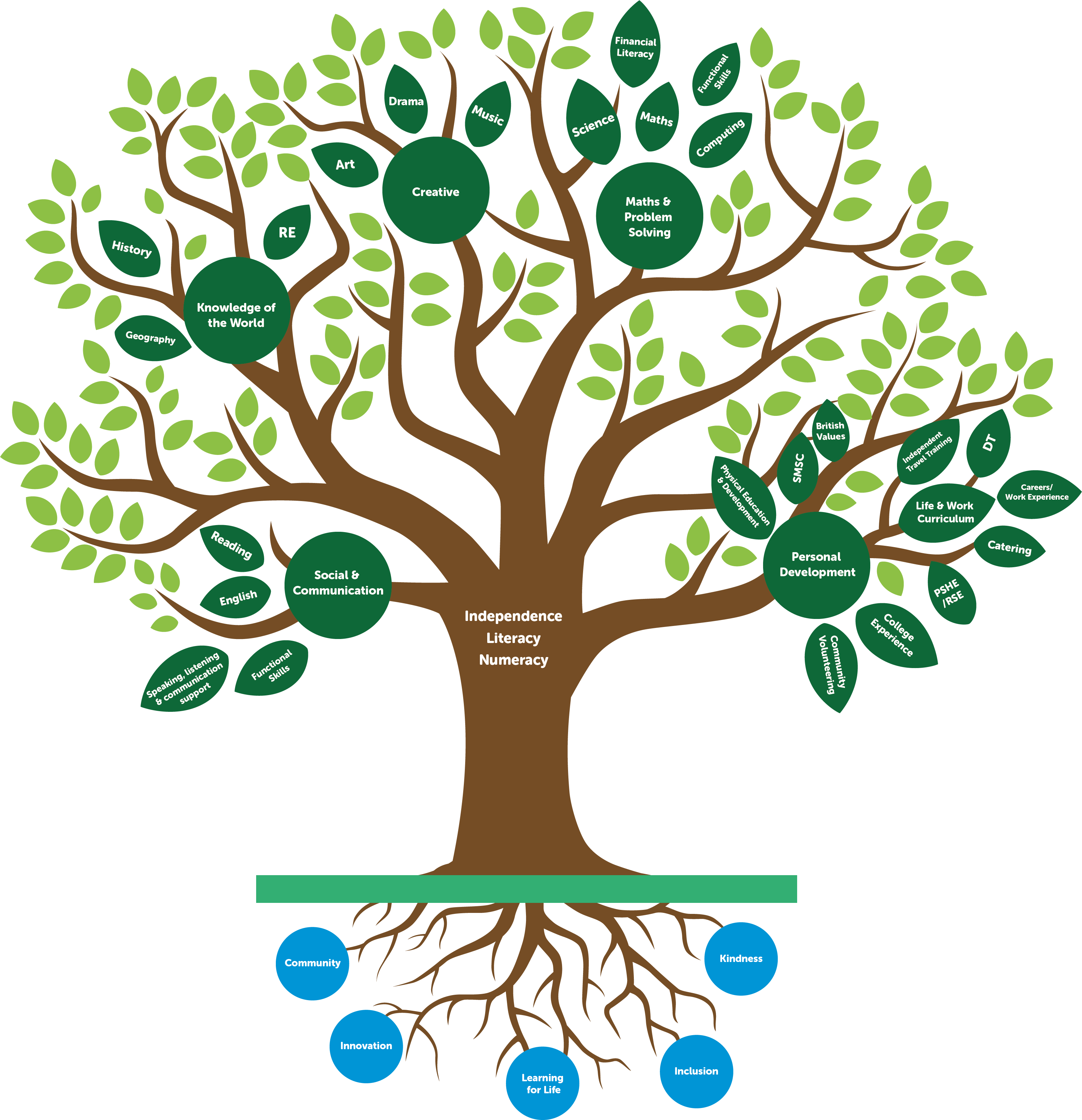
Our curriculum is rooted in our values. Maths brings our five values to life in the following ways:
Community: learners develop numeracy by visiting local cafés and shops, reviewing prices and using money
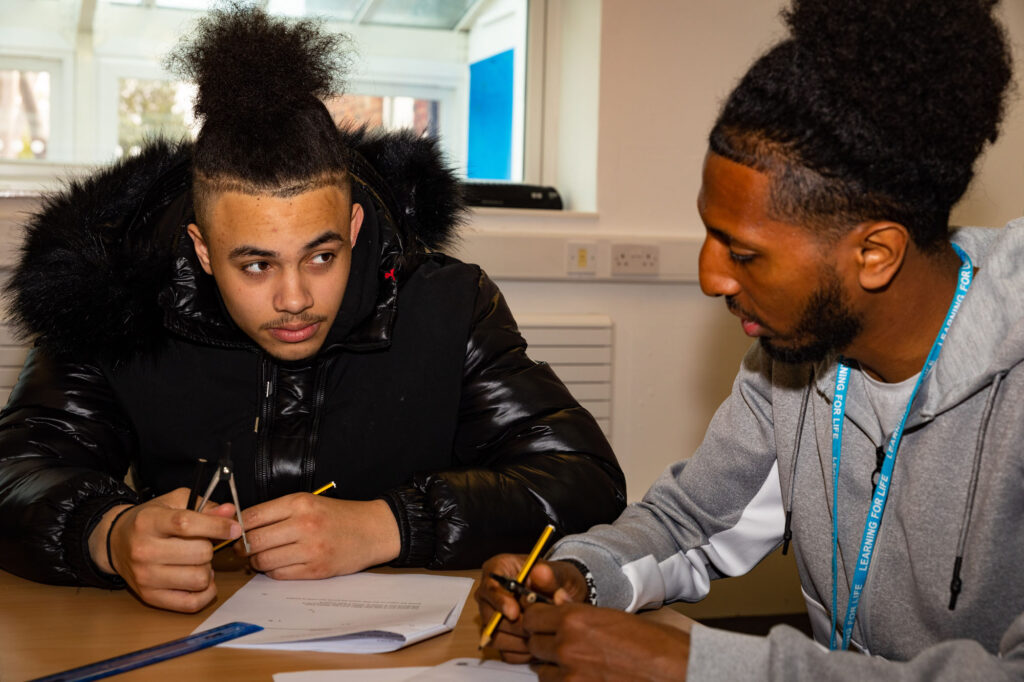
Kindness: learners discover Maths at their own pace and are taught to respect the progress of others
Learning for life: learners realise how important Maths is by using it in real situations – at home, school and work
Innovation: learners are encouraged to problem-solve and apply their learning to solve new challenges
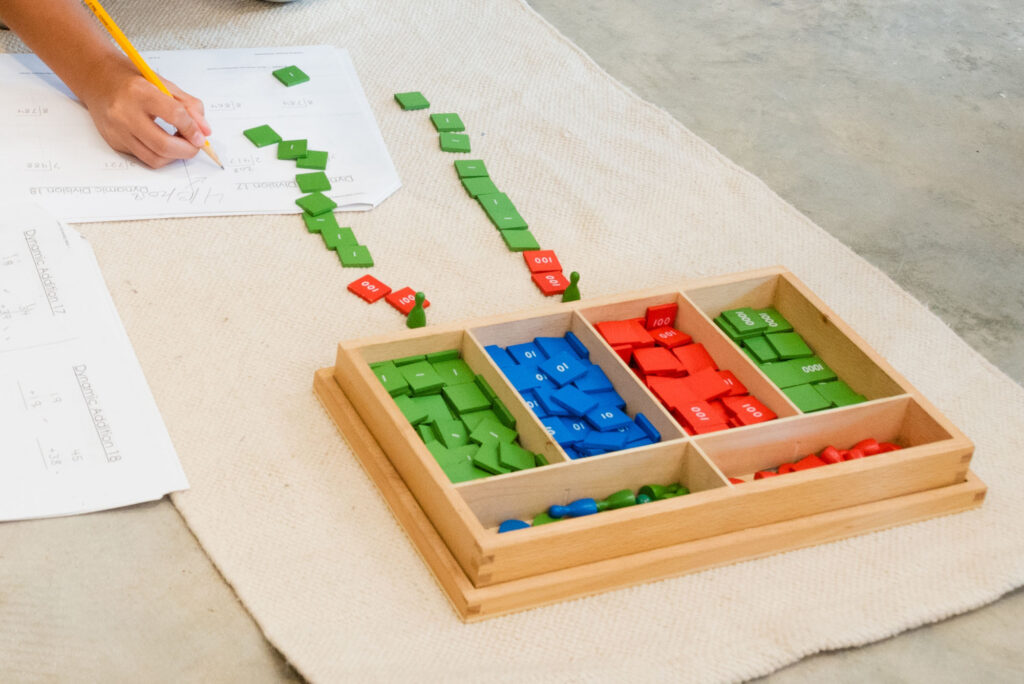
Inclusion: learners deepen their understanding of Maths in ways that suit them – both in and outside the classroom
We implement our Maths curriculum in a planned and sequenced way.
This ensures each learner reaches their potential and becomes a flourishing mathematician, by first learning foundational concepts and then building on these step by step. Take a look at our Maths curriculum map to find out more.
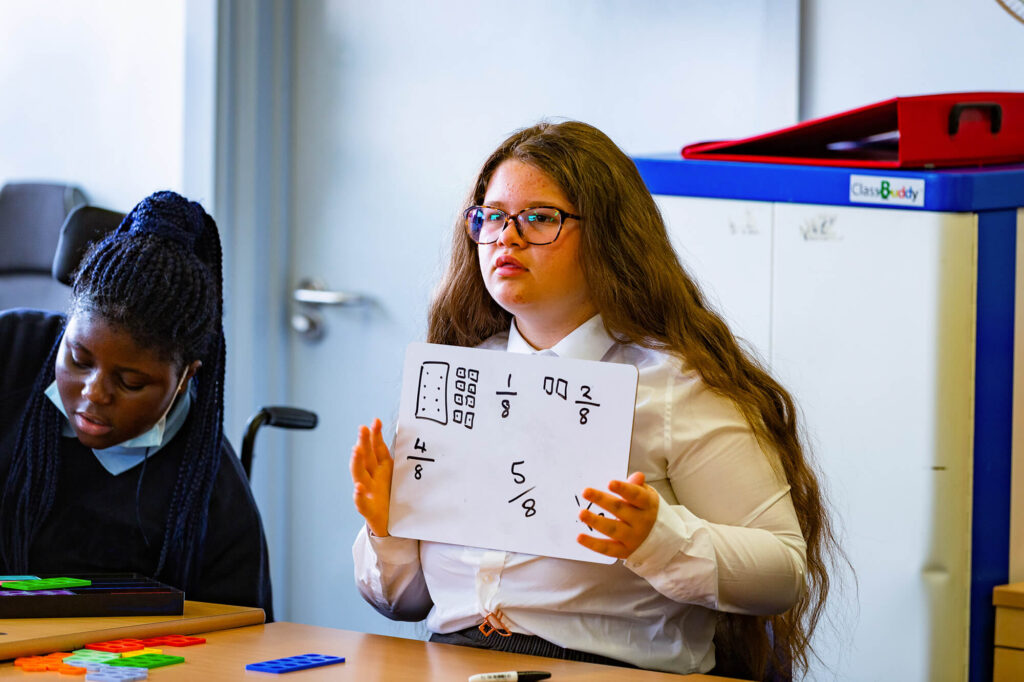
As they progress through the map, learners develop problem-solving skills through Maths investigations and by using their numeracy skills in day to day life.
We measure the impact of our Maths curriculum by assessing:
How much learners enjoy and engage with the learning
How confident they are applying mathematical thinking in their everyday lives
How well they do in internal assessments and external qualifications
How prepared learners are for their next steps into further education and employment
How well they problem-solve and how resilient they are