“Real science can be far stranger than science fiction and much more satisfying.” – Stephen Hawking
We intend for learners to love Science, think scientifically and be curious about their world.
By studying Science, learners develop an inquisitive mind. They are taught to explore big questions, investigate, gather and use evidence, analyse and form conclusions. These are key life skills.
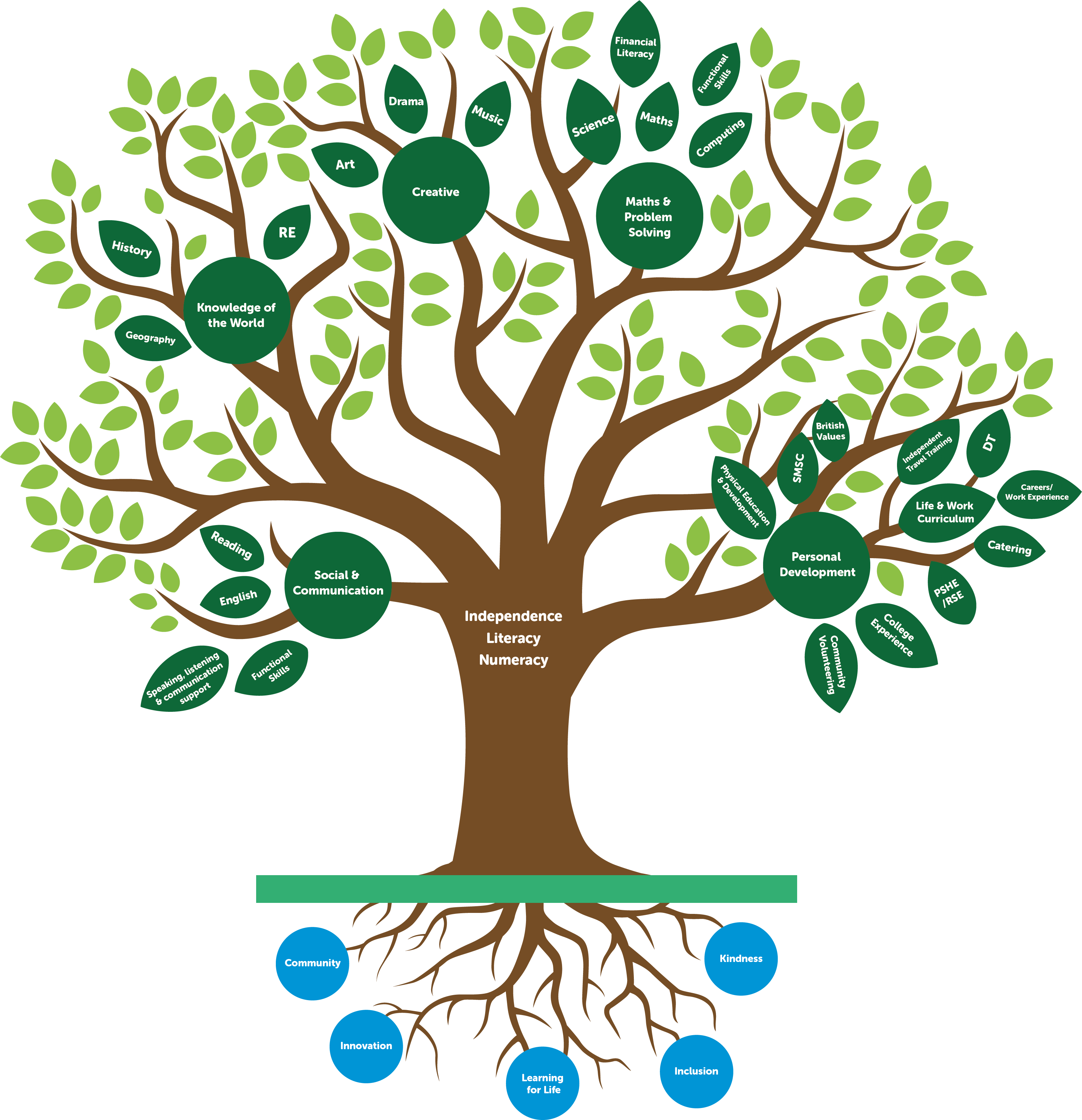
Our curriculum is rooted in our values. Science brings our five values to life in the following ways:
Community: learners see that Science is all around them, which sparks their interest in people and places
Kindness: learners discover the work of scientists and how important it is that their work is ethical and kind to people, animals and the planet
Learning for life: learners realise how important Science is by seeing it applied in real situations – at home, school and work
Innovation: learners are encouraged to problem-solve in a scientific way by experimenting, observing, and testing out ideas
Inclusion: learners work together to solve scientific problems and are taught to respect and value other people’s ideas
We implement our Science curriculum in a planned and sequenced way.
This ensures each learner reaches their potential and becomes a flourishing scientist, by first learning foundational concepts and then building on these step by step. Take a look at our Science curriculum map to find out more.
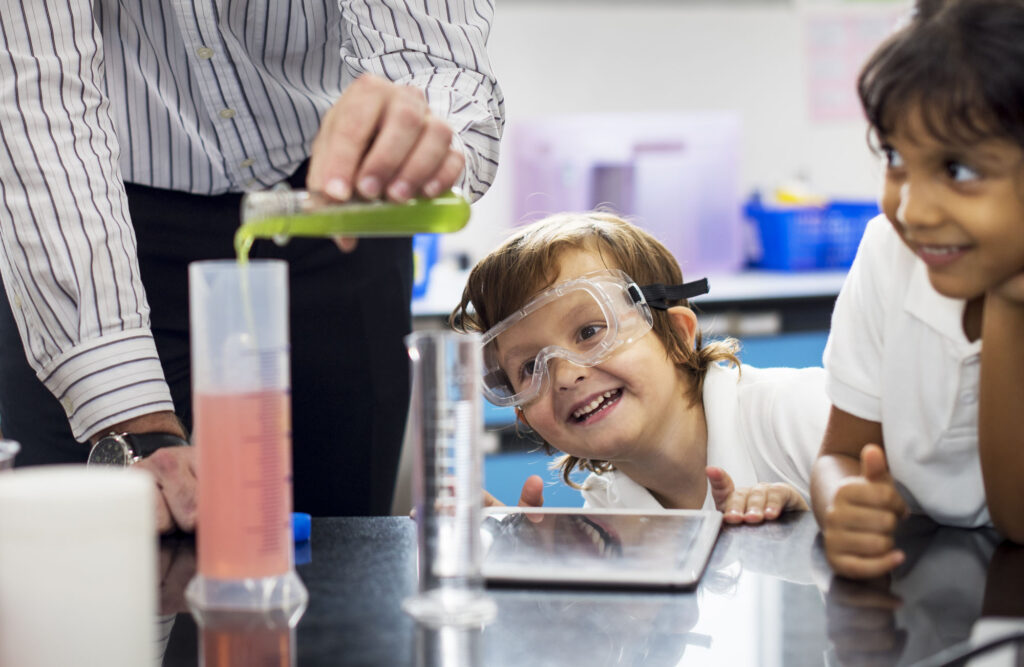
As they progress through the map, learners develop problem-solving skills by conducting practical scientific experiments and by working scientifically to investigate and explore topical issues that impact our world.
We measure the impact of our Science curriculum by assessing:
How much learners enjoy and engage with the learning
How confident they are applying scientific thinking in their everyday lives
How well they do in internal assessments and external qualifications
How prepared learners are for their next steps into further education and employment
How well they problem-solve and how resilient they are